Sports
.
.
4 min read
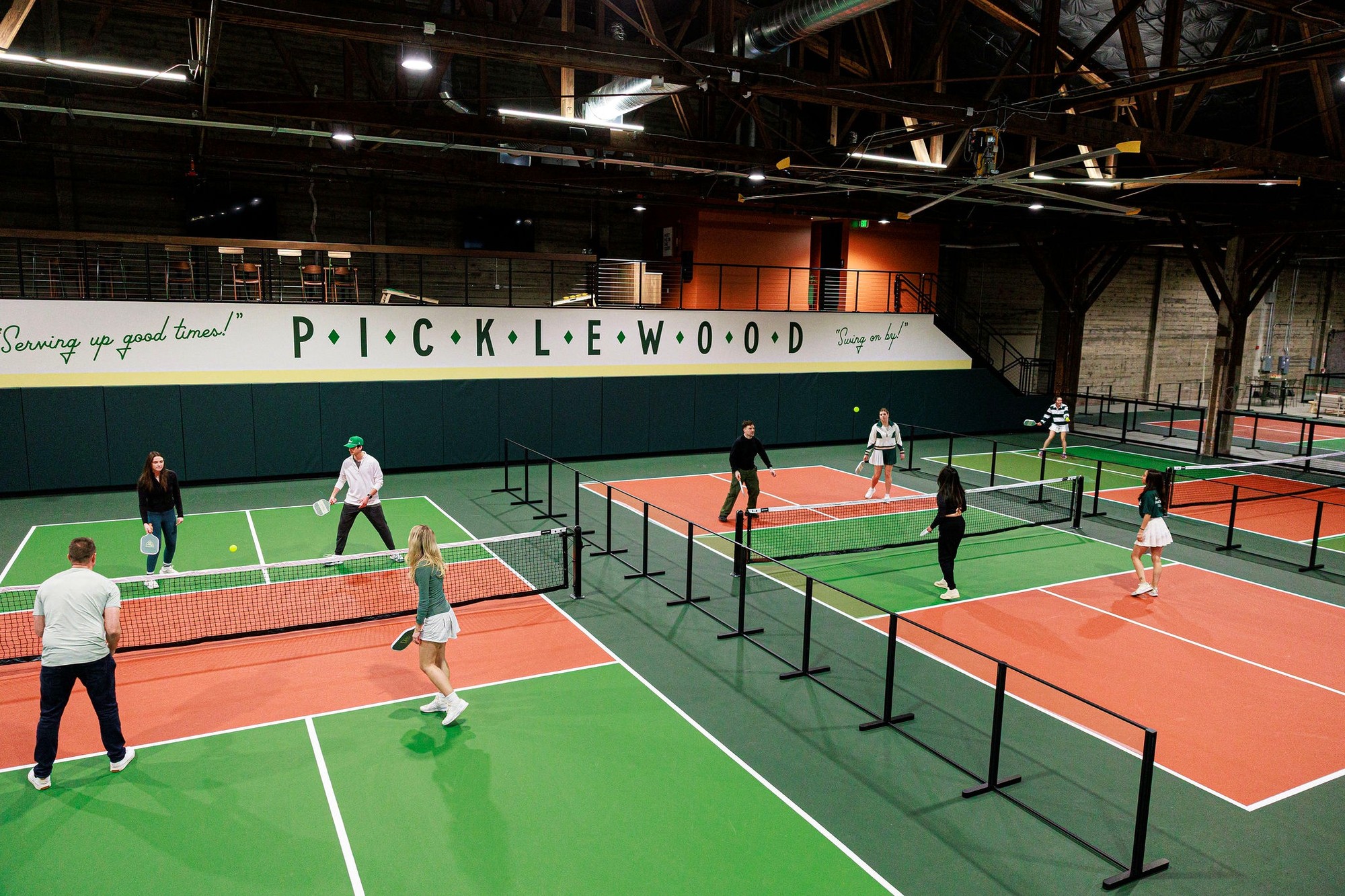
Nathan Talbot spent years running out of places to take his kids on a Friday night in Seattle. He has three boys, all under 12. By his own account, there was almost nothing in the city built for a parent and a kid to do together after dinner. Talbot is a 2002 graduate of Seattle's Lakeside School, where he played three sports, and he spent his career as an investment banker, at Goldman Sachs, at several middle-market companies and at Bank of Montreal, before deciding to build something of his own. In 2020, Seattle restaurateur Ethan Stowell filed plans for a restaurant inside the SoDo UrbanWorks complex on 1st Avenue South. By the spring of 2024, that filing had grown into something neither man had built before: a pickleball club with a full kitchen attached. Talbot became the founder and chief executive of Picklewood. Stowell put his kitchen behind it. The doors opened to the public on November 21, 2025.
4 min read
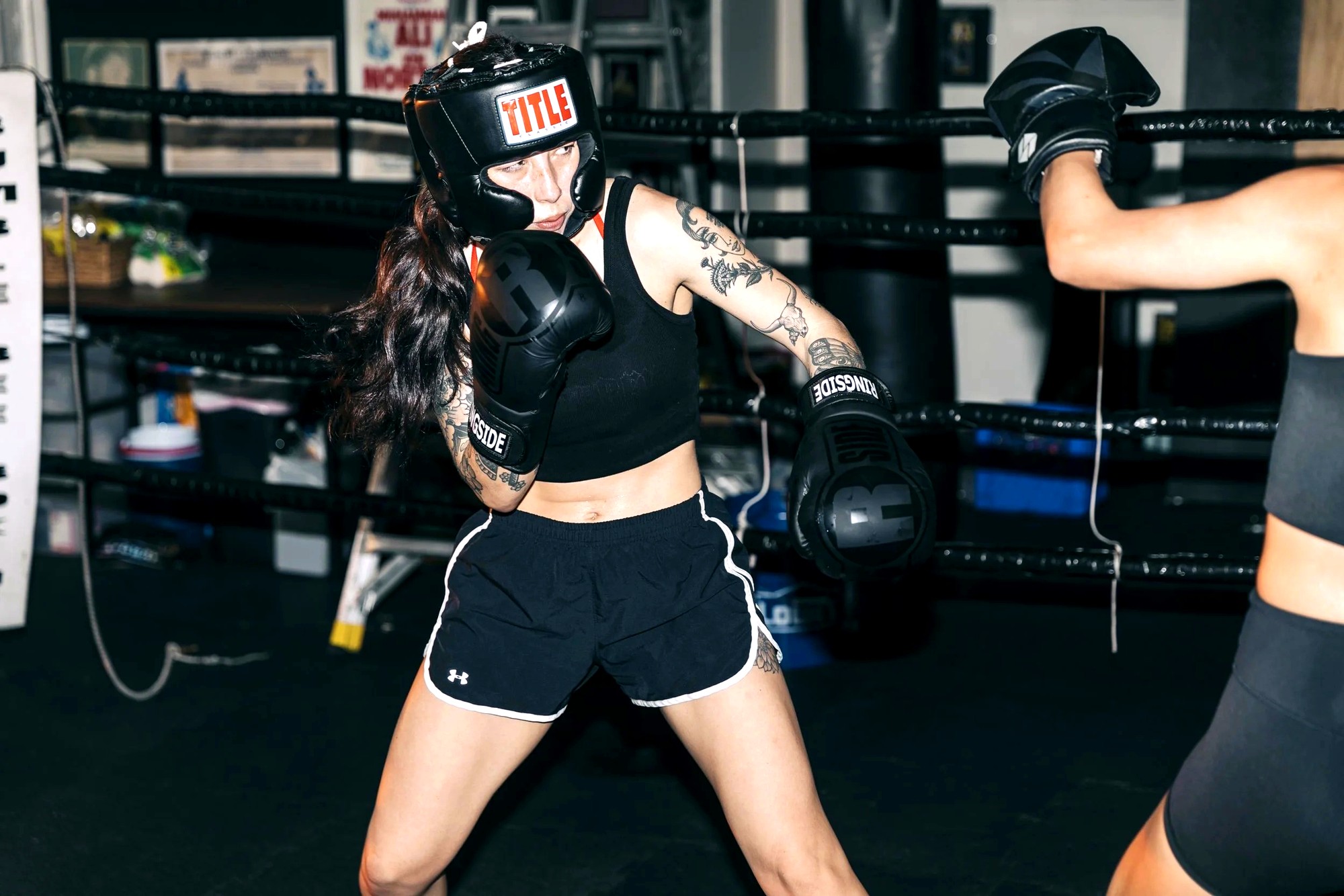
Manny Dunham hung punching bags, speed bags, and a slip rope at Gas Works Park, hauling heavy bags, ladders, mats, and jump ropes five days a week. He had no address to give anyone. The boxers picked the name for what they were: Nomad, because for those months the club did not have a home. "After the pandemic hit, I was hanging all my bags up at Gas Works Park," Dunham told KING5. "I didn't have a gym yet but still wanted to keep my team active." Nomad Boxing Club runs out of two buildings, one in Ballard and one in Skyway, and in April it hosted the first Pacific Northwest Regional Golden Gloves ever held in Seattle.

3 min read
RunSignup lists two different closing times for online registration to the Space Needle's 10th annual Base 2 Space stair climb. One page, the event's own FAQ, sets the online cutoff at September 25, 11:59pm Pacific time, then reopens registration in person only, from 6:30 to 11am on the morning of the climb, Sunday, September 27. A separate registration page on the same platform lists a single deadline of 11am on September 27, the day of the event, without mentioning an earlier online window at all. That distinction is not cosmetic: under the FAQ's version, anyone signing up online loses that option after September 25, two days before the climb, and can only join in person, on the morning of September 27. Both pages come from the same organizer. Same platform. Neither has been fixed.
4 min read
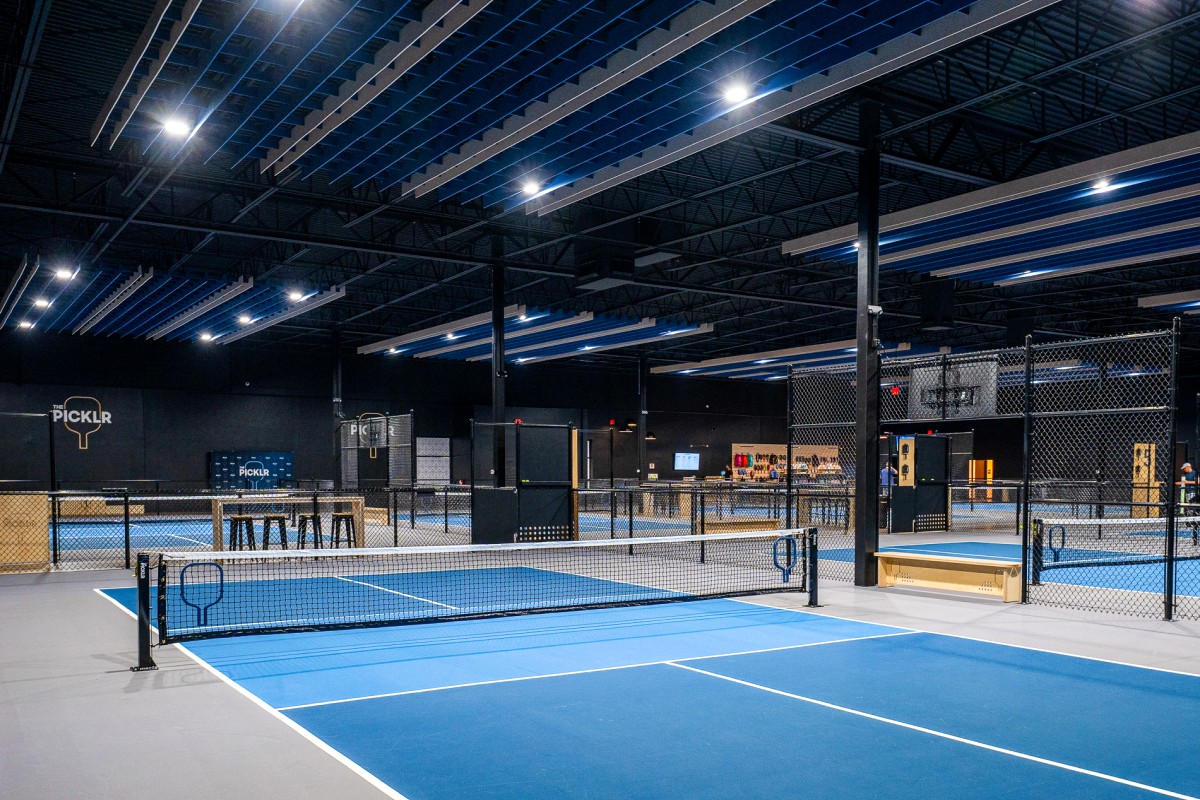
Walk into 124 North 35th Street in Fremont today and the smell of roasting cacao is gone, replaced by the pop of paddles on plastic balls across ten indoor courts. The brick building spent years as Theo Chocolate's organic, fair-trade roastery before the company moved on and left a 27,000-square-foot shell looking for a second life. In April 2026, The Picklr found one. Rajiv Khatri, the club's owner, described the opening as a turning point for the surrounding blocks, and framed the club less as a gym than as Fremont's third space, somewhere to be that isn't work or home. Ten courts inside a former candy factory is an unusual way to make that argument, and Fremont seems to be buying it anyway. Pickleball has spent the last few years turning into the fastest-growing sport in the country by most counts, driven by a low barrier to entry, a court a third the size of a tennis court, and a rally that rewards patience over power. Seattle's version of that boom just landed in one of its most recognizable buildings, a former factory that already had the scale and the industrial character the sport's biggest new clubs tend to look for.
4 min read
Seattle Bouldering Project Started With Two Guys Jumping Off a Staircase. It's Now a National Chain.
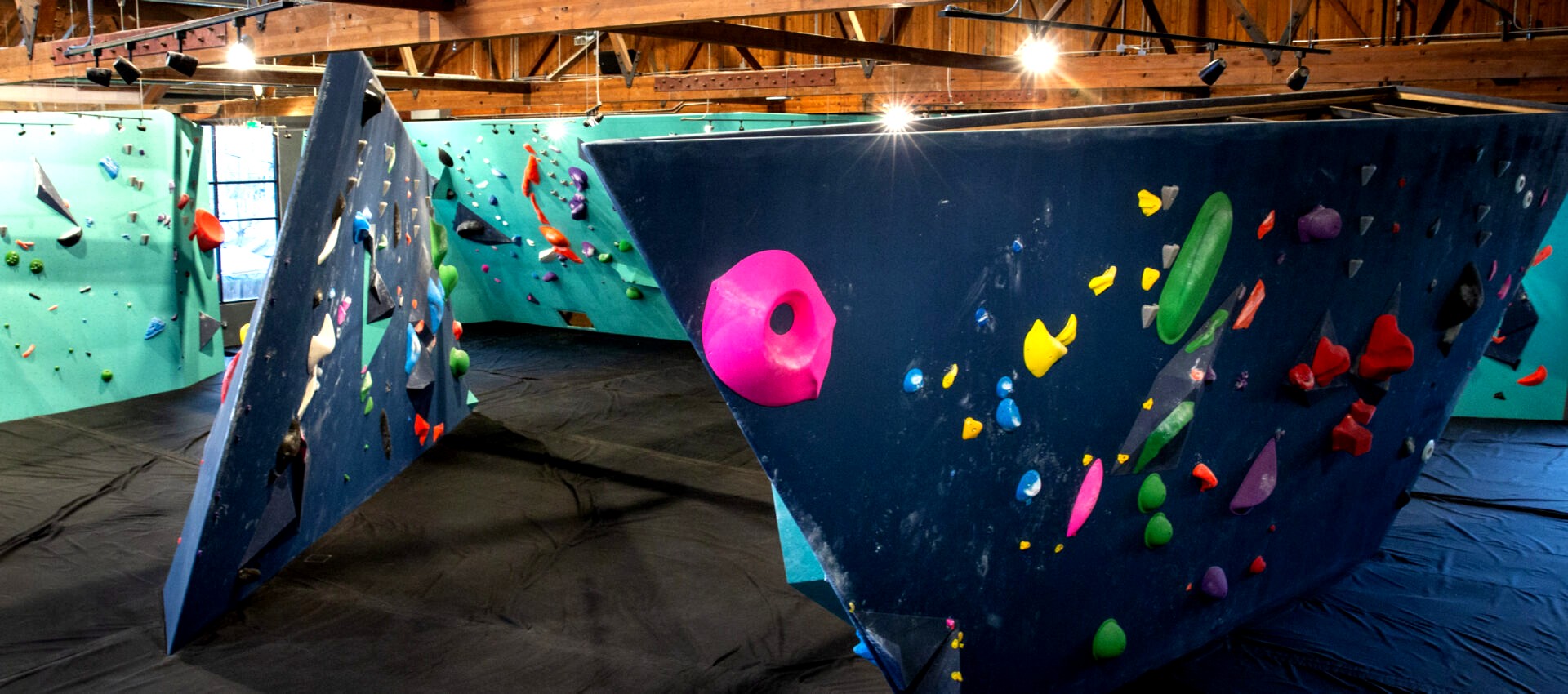
In the spring of 2011, Andy Wyatt and Chris Potts filled two empty rooms of a Central District warehouse with as many climbing walls and boulder problems as they could build, then tested whether the foam floor would actually catch a fall by leaping off the gym's own staircase. That warehouse became Seattle Bouldering Project. Fourteen years later, the company Wyatt and Potts started by throwing themselves at their own flooring runs thirteen gyms across eight metro areas, and Seattle is still where the walls get designed. Two of those gyms sit one block apart in Fremont, painted in the teal, green, and navy that has become the brand's signature, and they are the reason most Seattlites think of Fremont, not the Central District, when they hear the name. That's a small mix-up worth clearing up, because the real story is bigger than either building. A gym born from two people testing their own foam floor now has outposts in Austin, Minneapolis, Salt Lake City, Brooklyn, Boston, Washington DC, and Tempe. None of that happened by accident, and Fremont's colorful walls are as good a place as any to see what a hometown company looks like after it stops being small.